Why NADA is 'Pissed': Defending the Franchise Dealer Model in 2026
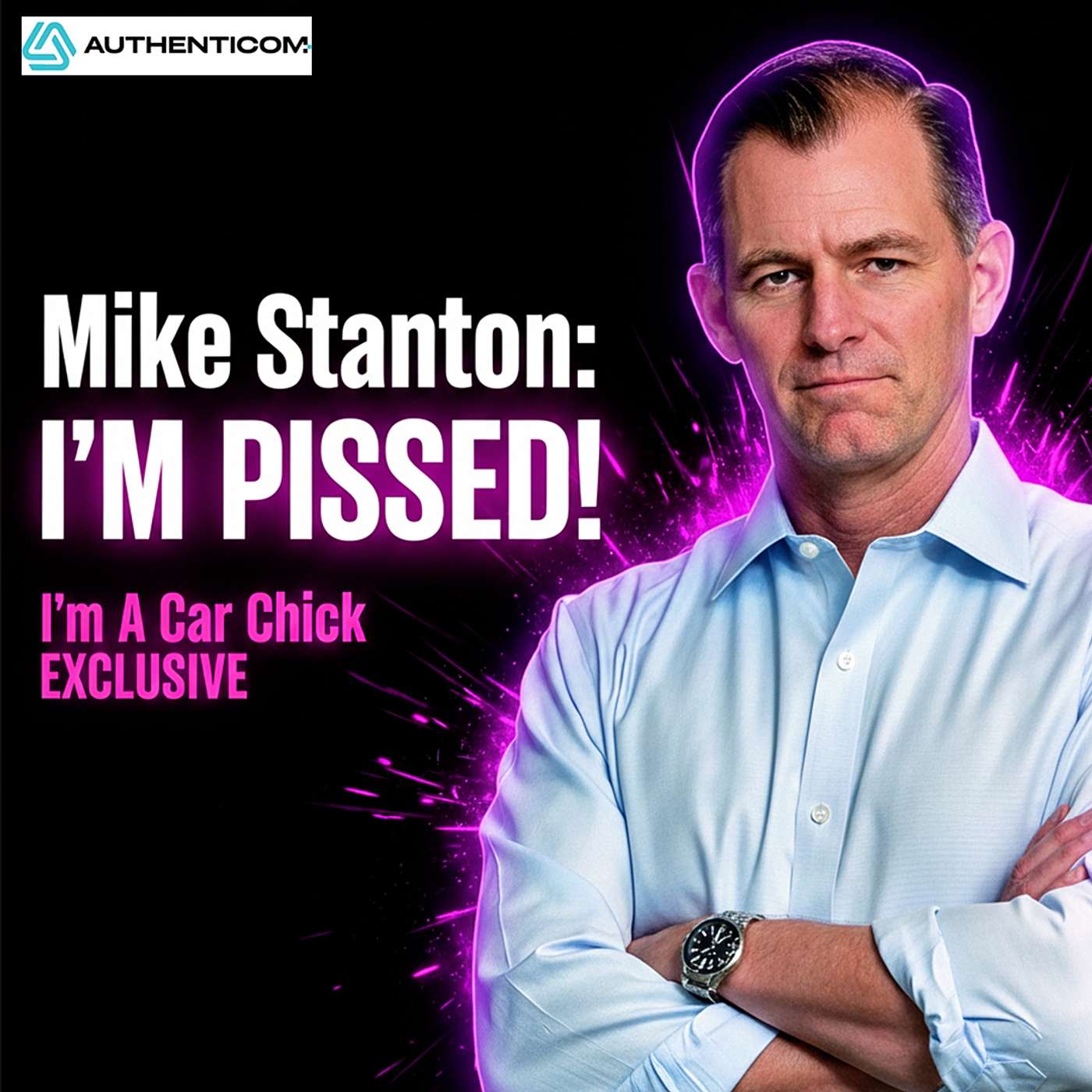
Welcome back to the I'm a Car Chick blog! In our latest podcast episode, we sat down with NADA President Mike Stanton and Authenticom Founder Steve Cottrell at NADA 2026 for a conversation that was as candid as it was crucial. The episode, titled "I’m Pissed" – NADA’s Mike Stanton & Steve Cottrell on the War for the Dealer Model | NADA 2026, really illuminated the fierce battle being waged for the future of the franchise dealer model. Today, we're going to dive even deeper into the topics that Mike Stanton, in particular, is so passionate about, exploring the specific concerns NADA has regarding the rise of direct-to-consumer (DTC) sales models and how these efforts are impacting franchise dealerships across the nation. We’ll unpack NADA’s defense strategies, the importance of securing dealer data, legislative battles, and why the seemingly simple act of data hygiene is more critical than ever.
The Franchise Dealer Model Under Siege
The automotive industry is in a state of constant evolution, and in recent years, the traditional franchise dealer model has found itself facing significant challenges. For decades, this model has been the backbone of vehicle sales and service, providing local economies with jobs, tax revenue, and vital community resources. Dealerships are more than just places to buy cars; they are often integral parts of the communities they serve, supporting local charities, sponsoring youth sports teams, and acting as trusted advisors for vehicle ownership needs.
However, the landscape is shifting. The digital age has ushered in new ways of thinking about commerce, and the automotive sector is not immune. The allure of online sales, direct relationships with manufacturers, and the promise of a streamlined, digital-first purchasing experience has led to a surge in efforts by automakers and other entities to bypass the traditional dealership. This, as we heard so emphatically from Mike Stanton, is what has NADA and its members feeling more than a little concerned, and, as the episode title suggests, downright "pissed."
Why NADA is 'Pissed': Understanding Mike Stanton's Stance
Mike Stanton’s use of the word "pissed" wasn't hyperbole; it was a raw expression of frustration and a call to action. His stance, which he articulated so clearly on the podcast, is rooted in a deep understanding of what the franchise dealer model represents and what is at stake if it is dismantled. He sees the current push towards direct-to-consumer sales not merely as a new business strategy, but as a direct threat to the established ecosystem that has served consumers and communities effectively for generations.
NADA, under Stanton's leadership, views these DTC efforts as an existential threat. It’s not about resisting innovation or progress; it’s about preserving a system that provides crucial consumer protections, supports local economies, and ensures a competitive marketplace. Stanton's passion comes from the belief that the franchise dealer model, when executed properly, offers unparalleled advantages to consumers, including local service, competitive pricing through a diverse retail network, and the personal touch that a local business owner can provide. He argues that DTC models, while seemingly convenient, often lack these essential elements and can lead to a monopolistic control by manufacturers, ultimately harming the consumer.
Furthermore, Stanton highlights the significant investments made by franchised dealers in their facilities, their employees, and their communities. These are not small, fleeting businesses; they are substantial enterprises built on decades of commitment. The potential disruption caused by a wholesale shift to DTC could have devastating consequences for these businesses and the people they employ.
The Threat of Direct-to-Consumer Sales Models
The core of NADA's concern lies in the fundamental shift that DTC models represent. Instead of a multi-brand, multi-dealer competitive environment, DTC often implies a direct relationship between a single manufacturer and the end consumer. This raises several critical issues:
Reduced Consumer Choice and Competition
In a franchise system, consumers have the advantage of choosing from multiple dealerships, often selling the same brand, but operating under different ownership and management. This competition drives better pricing, improved customer service, and greater innovation in how vehicles are sold and serviced. A DTC model, where a manufacturer sells directly to consumers, inherently reduces this competition. Consumers are essentially dealing with a single point of sale for that brand, limiting their ability to negotiate or find the best overall deal. This can lead to a scenario where manufacturers dictate terms, pricing, and availability without the counterbalance of a robust dealer network.
The Erosion of Local Economies
Franchised dealerships are significant contributors to local economies. They provide stable, well-paying jobs, contribute to local tax bases through property and sales taxes, and are often major patrons of local businesses and charitable causes. When a manufacturer sells directly, these local economic benefits diminish or disappear entirely. The revenue stays with the manufacturer, and local jobs associated with sales, service, parts, and administration are lost. This impact is felt most acutely in smaller towns and rural areas where dealerships are often the largest employers and economic engines.
Loss of Consumer Protections and Service Infrastructure
Franchised dealers provide a vital consumer service infrastructure. They offer localized maintenance and repair services, parts availability, and a physical point of contact for warranty issues or customer complaints. In a DTC model, the manufacturer is responsible for all of this. While some manufacturers may invest in service centers, it's unlikely to match the widespread, accessible network of franchised dealers. This can lead to longer wait times for service, less convenient locations, and a potentially more impersonal and bureaucratic process for resolving issues. The established regulatory framework for dealers also provides a layer of consumer protection that may not translate directly to a DTC environment.
The "New Currency" of Data
As discussed in the episode, data is the new currency in the automotive industry. DTC models allow manufacturers to collect vast amounts of customer data directly, without the intermediation of the dealer. This data can be used for targeted marketing, product development, and potentially even price discrimination. While data can be a powerful tool for innovation, there are significant concerns about how this data is collected, used, and protected. NADA is concerned that without proper controls and transparency, this data could be exploited, and that dealers, who have historically been the custodians of customer relationships and data, are being sidelined in this new data-driven economy.
NADA's Defense Strategy: Legal Battles and Advocacy
Given the severity of these threats, NADA has adopted a multi-pronged defense strategy. This isn't just about making noise; it's about concrete action to protect the franchise dealer model. As highlighted in the podcast, a significant part of this strategy involves aggressive legal action and robust advocacy.
Leveraging the Legal Defense Fund
One of the most potent tools NADA employs is its Legal Defense Fund. This fund is crucial for challenging efforts that undermine the franchise system. When manufacturers attempt to circumvent dealer agreements, push for unfair terms, or engage in practices that NADA believes are illegal or anti-competitive, the Legal Defense Fund allows NADA to litigate. These legal battles are not just about individual disputes; they set precedents that can protect dealers nationwide. The fund empowers NADA to fight for fair treatment and to ensure that manufacturers operate within the established legal and regulatory frameworks.
Advocacy and Lobbying Efforts
Beyond the courtroom, NADA is a powerful voice in legislative and regulatory arenas. They engage in extensive lobbying efforts at both the federal and state levels to advocate for policies that support the franchise dealer model. This includes educating lawmakers about the importance of dealerships to their constituents and the economy, and pushing back against regulations that could favor DTC models or weaken dealer protections. Their advocacy work aims to create a level playing field where all business models can compete fairly, but where the unique value of the franchise dealer is recognized and protected.
DealerVault: Securing Dealer Data in the Digital Age
A critical component of NADA's strategy, and a major focus of our conversation with Steve Cottrell, is the protection of dealer data. In the age of digital transformation, data is a valuable asset, and its security and integrity are paramount. This is where DealerVault comes into play.
DealerVault is a collaborative solution designed to empower dealerships to control and secure their own data. In the past, data flowed primarily between dealerships and manufacturers, with manufacturers often holding significant sway over how that data was accessed and utilized. DealerVault aims to flip this dynamic. It provides a secure, standardized platform for dealerships to manage their data, allowing them to grant controlled access to third parties, including manufacturers, on terms that they define. This ensures that dealers are not simply passive conduits of data but active participants in its management and monetization.
The importance of DealerVault cannot be overstated. It addresses several key concerns:
- Data Ownership and Control: It reinforces the principle that dealer data belongs to the dealership.
- Security and Privacy: It provides a robust, secure environment to protect sensitive customer and business information from breaches and misuse.
- Standardization: It creates a common language and platform for data exchange, simplifying interactions with manufacturers and other partners.
- Empowerment: It allows dealers to leverage their data more effectively for their own business intelligence, marketing, and operational improvements.
By ensuring that dealer data is secure and managed by the dealers themselves, DealerVault is a vital tool in the fight to maintain the dealer's central role in the automotive ecosystem, even as the industry becomes increasingly data-driven.
Legislative Wins and Fighting FTC Overreach
NADA's advocacy efforts have yielded significant results. The episode touched on legislative wins that are crucial for protecting the franchise model. These wins often come from successfully pushing back against proposed regulations or legislation that could harm dealers, or by successfully championing laws that bolster dealer protections.
A key area of focus has been fighting what NADA considers "FTC overreach." The Federal Trade Commission has a mandate to protect consumers and promote competition, but NADA believes that certain interpretations or proposed regulations could inadvertently harm franchised dealers or tip the scales too heavily in favor of manufacturers. For example, proposals related to data privacy or vehicle sales practices can have profound implications for how dealerships operate. NADA's role is to ensure that any regulations are fair, practical, and recognize the unique business model and contributions of franchised dealerships.
These legislative and regulatory battles are ongoing and require constant vigilance. Each win, no matter how small, reinforces the importance of NADA's advocacy and strengthens the position of franchised dealers in the face of evolving industry pressures.
The Importance of Data Hygiene and Trusted Partnerships
Amidst the complex legal battles and high-stakes advocacy, it's easy to overlook the foundational elements that make the automotive industry function. As Steve Cottrell so eloquently articulated in the podcast, "the basics" are often the most important. And in today's data-centric world, the most fundamental of these basics is data hygiene.
Data hygiene refers to the practice of ensuring that data is accurate, complete, consistent, and up-to-date. In the context of dealerships, this means meticulously managing customer records, service histories, sales data, and inventory information. Why is this so critical?
- Accurate Customer Relationships: Clean data allows dealers to understand their customers better, personalize communications, and build stronger, more meaningful relationships.
- Operational Efficiency: Accurate data streamlines internal processes, from inventory management to service scheduling, leading to greater efficiency and cost savings.
- Informed Decision-Making: Reliable data provides the insights needed to make sound business decisions, identify trends, and adapt to market changes.
- Trust and Credibility: For third-party integrations and manufacturer partnerships, clean data is essential for establishing trust and demonstrating professionalism.
Coupled with data hygiene is the concept of trusted partnerships. The automotive ecosystem relies on a complex web of relationships between dealers, manufacturers, suppliers, and technology providers. NADA emphasizes the importance of fostering these partnerships based on mutual respect, transparency, and shared goals. DealerVault, as a collaborative solution, exemplifies this principle, aiming to create a more equitable and transparent data-sharing environment. When partnerships are built on trust and data is managed with integrity, the entire industry benefits.
Conclusion: The Future of Franchise Dealerships in 2026
The conversation on this episode of I'm a Car Chick, and in this blog post, underscores a critical juncture for the automotive industry. The franchise dealer model is not an outdated relic; it's a dynamic and evolving business structure that provides immense value to consumers and communities. NADA, led by voices like Mike Stanton, is fighting a vital battle to ensure its survival and continued success.
As we look towards 2026 and beyond, the challenges will undoubtedly continue. However, the strategies being employed – robust legal defense, proactive advocacy, innovative data management solutions like DealerVault, and a steadfast commitment to the fundamentals of data hygiene and trusted partnerships – are equipping franchised dealers with the tools they need to not only survive but thrive. The passion and dedication evident in this episode serve as a powerful reminder that the fight for the future of automotive retail is far from over, and that the franchise dealer model remains a cornerstone of a healthy, competitive, and consumer-focused industry. We encourage you to listen to the full episode for the complete, unvarnished insights from Mike Stanton and Steve Cottrell.

CMO - SCP Agency
Shasta Haddock is the Chief Marketing Officer of SCP Agency, a social media marketing firm helping dealerships and businesses turn attention into action. With over a decade in the automotive industry, she’s built her career at the intersection of leadership, marketing strategy, and real human connection.
At SCP Agency, Shasta leads content strategy, creative direction, and internal systems—helping brands stop blending in and start building communities online. She believes social media should feel human, not robotic… and profitable, not performative.
She’s also the host of the I’m A Car Chick podcast, where she spotlights the real people behind the car business—sales pros, service leaders, operators, marketers, and vendors who are actually moving the industry forward. The show was created to give a voice to the ones doing the work and to create conversations that are honest, empowering, and sometimes a little unfiltered.
Beyond marketing and media, Shasta serves in leadership within Women In Automotive (WIA), where she helps create spaces for women across the industry to connect, grow, and claim their seat at the table. From hosting regional events to supporting national initiatives, she’s passionate about building community—not competition.
At 30, Shasta balances leadership with real life. She’s been married to her husband Chris since 2017 and is a proud bonus mom to two teenagers. She lives in Missouri, runs multiple brands, drinks too much coffee, and still finds time to obsess over tornado documentaries and rewatch the same movies on r…Read More
MAE: How AI is Making Car Buying Easier (and More Trustworthy)